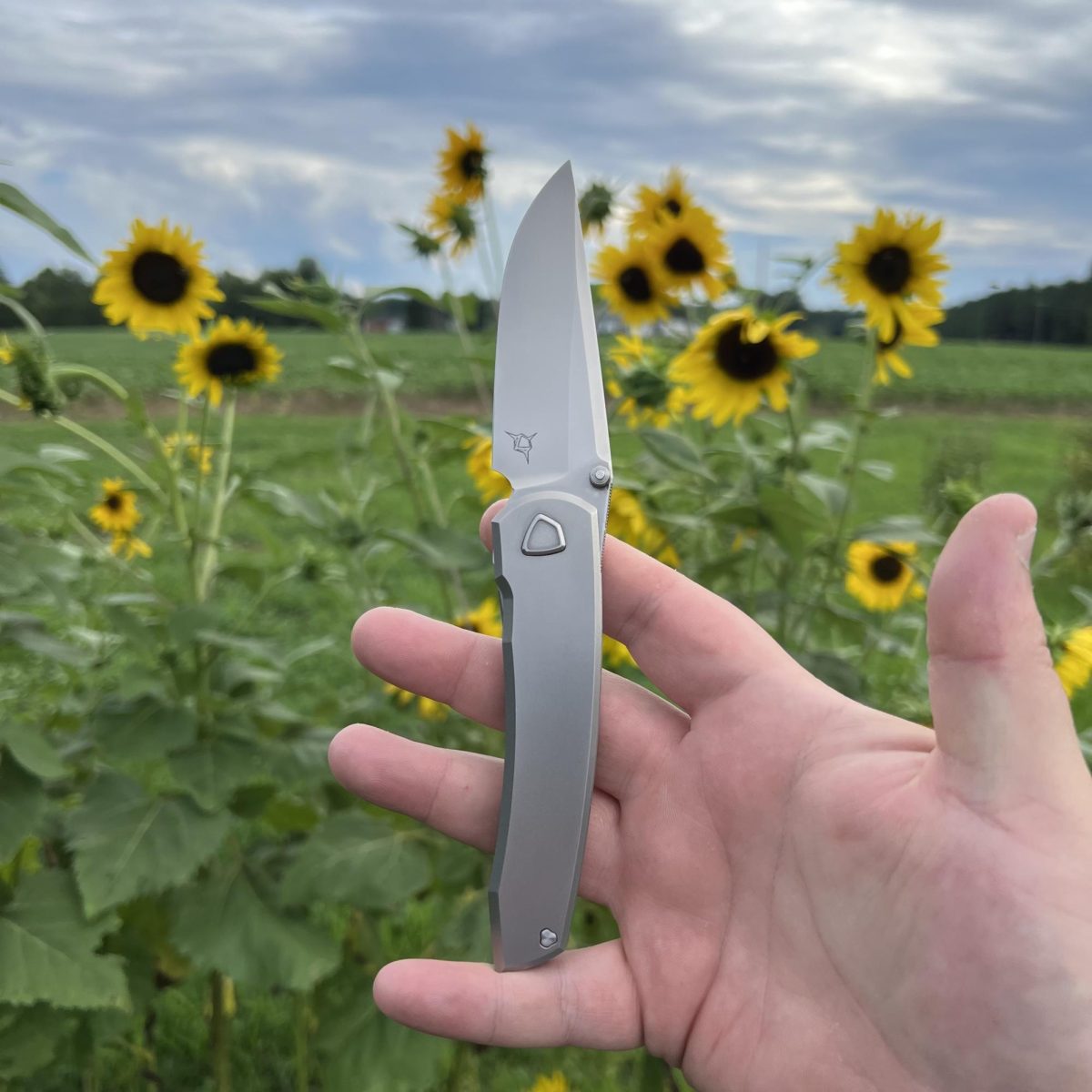

































A small blade clicks open and shuts with a satisfying snap. Fingers trace the smooth curves of the handle, testing the weight and balance. Around the table, dozens of pocket knives lie in neat rows, each one unique, some polished to a mirror finish, others scarred from years of usage. For the past 8 years, David Hackford has been collecting and reselling pocket knives from all over the country from his home in Abington, Pennsylvania.
What started as a casual interest in blades has grown into a careful, nearly a decade-long pursuit. Hackford’s collection includes everything from modern folding knives crafted by small artisans to vintage pieces found at trade shows and meetups. Each knife represents a combination of craftsmanship, design, and history. Beyond simply owning the blades, he spends hours cataloging, cleaning, and examining them, turning a hobby into a precise practice.
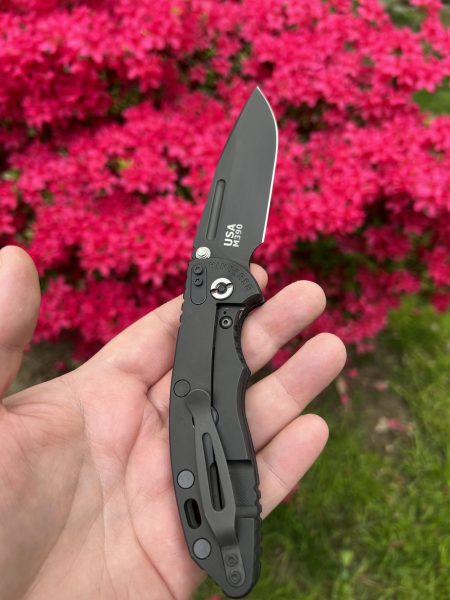
“I started about eight years ago,” Hackford said, “I picked one up at a yard sale, just this old folding knife that looked kind of interesting. I cleaned it up, and I don’t know, there was something about how it felt when it opened, like you could tell it was made to last.” That single purchase sent him down a rabbit hole of research, restoration, and collecting.
Since then, Hackford has turned that early fascination into a disciplined craft. His home is lined with drawers of carefully labeled knives—some bought, some traded, some found along the journey. “I think I’ve got around 150, give or take. Some are new, some are old. I don’t just buy anything. I look for quality.”
His favorite find came at a flea market a few years ago: a case knife from the 1990s with a wooden handle and a blade that still held its edge. “The seller didnt know what he had,” Hackford said with a grin. “I bought it for 20 bucks and cleaned it up. It’s still one of my favorites.”
For Hackford, the appeal of collecting goes far beyond the hunt for rare pieces; it’s about the artistry behind them. “You look at these knives and someone spent real time making them, no shortcuts,” he said. “Every little detail matters. I guess it’s nice to collect something that has a purpose. It’s not just decoration.”
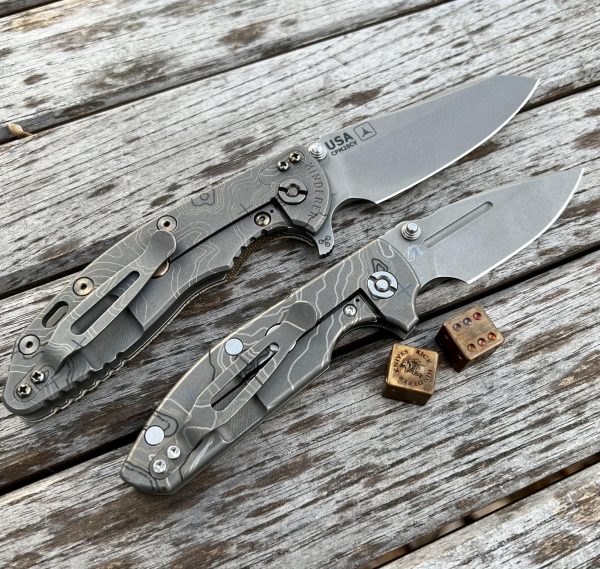
Restoration has been part of his process, too. He often polishes blades, replaces handles, and carefully oils hinges until the steel shines again. “It’s tricky, but satisfying when you take something rusted and make it shine again,” he said. “Some people build model trains or fix up cars. I clean knives. It’s quiet work, and it makes me slow down a bit.”
Though Hackford’s collection has grown steadily, he isn’t in a rush to expand it. He’s searching for a specific Buck model from the 1980s, a limited edition that’s hard to find, but he is more than content to wait. “Half the fun is the hunt,” he said.
Each knife tells part of his story, from the first Swiss Army gift to the flea market discovery that set his hobby in motion. When asked which knife he’d keep if he had to choose just one, he doesnt hesitate. “Probably that first Case knife I found,” he said. “It’s not the rarest or most valuable, but it kind of represents the start of everything. It’s not perfect, it’s got scratches, a few dings, feels real.”
In a world of mass production and quick replacements, Hackford’s collection is an act of true patience. Every knife he restores, polishes, or trades adds another link in a chain that stretches far back through many knife connoisseurs. For Hackford, it’s not about owning more; it’s about holding onto things built to last.
(More photos by David Hackford of his collection)