





































If I were to describe it in one word? Controversial.
Despite the album’s huge success on paper, the quality of the tracklist has been a topic of considerable contention among audiences worldwide. I, however, am still adamant that some things are successful for a reason.
Taken at face value for its intended purpose, the album is compelling. It is a musically coherent listening experience about the joy Swift has found with her fiancé, Travis Kelce, and a brief encapsulation of her experience in the entertainment industry. With buoyant, effervescent melodies, Swift sheds The Tortured Poets Department’s melancholy and commences a new era: one expressing excitement for a euphoric future and glancing back toward a past that made Swift the individual and artist she is today.
This nostalgic sentiment is especially evident in the songs “Father Figure” and “Ruin the Friendship,” the first of which is a lament for the often unhealthy power dynamics between young artists and their mentors, specific to Swift’s life in reference to the dispute over her masters (the original sound recordings of her first six albums) with Big Machine Label Group executive Scott Borchetta. Additionally, “Father Figure” incorporates several perfidious themes within a pop melody in a way that reflects her sixth studio album, Reputation. “Ruin the Friendship,” on the other hand, is a heartfelt ode to an adolescent crush Swift regrets not acting on, stressing the importance of taking chances and seizing opportunities as they arrive. The song is elevated with twangs of guitar and country-style instrumentation, reminiscent of Swift’s second album, Fearless.
I am especially appreciative of these glimpses back to previous eras because, cohesively, the album is a clear departure from the tried-and-true for Taylor Swift. Despite collaborating with Jack Antonoff on eleven albums and rerecordings since her 1989 days, Swift decided against a partnership on The Life of a Showgirl. Instead, she opted to collaborate with Swedish producers Max Martin and Shellback, marking a deviation from her recent work. To me, this is not a bad thing. Many others, however, cannot help but compare The Life of a Showgirl’s pop and soft rock to the successful country, synth, and indie music she has previously released.
It is unfair to continue holding artists to a uniform standard of music whenever they enter a recording studio. Especially an artist like Swift, who has been a part of the music industry since she was 16. Her lyricism and melodic leanings were bound to change over the course of her career, and now that they have, many are refusing to accept her experimentation. For instance, the incorporation of several raunchy lyrics into the songs “Wood” and “Actually Romantic” has turned quite a few listeners off the album as a whole.
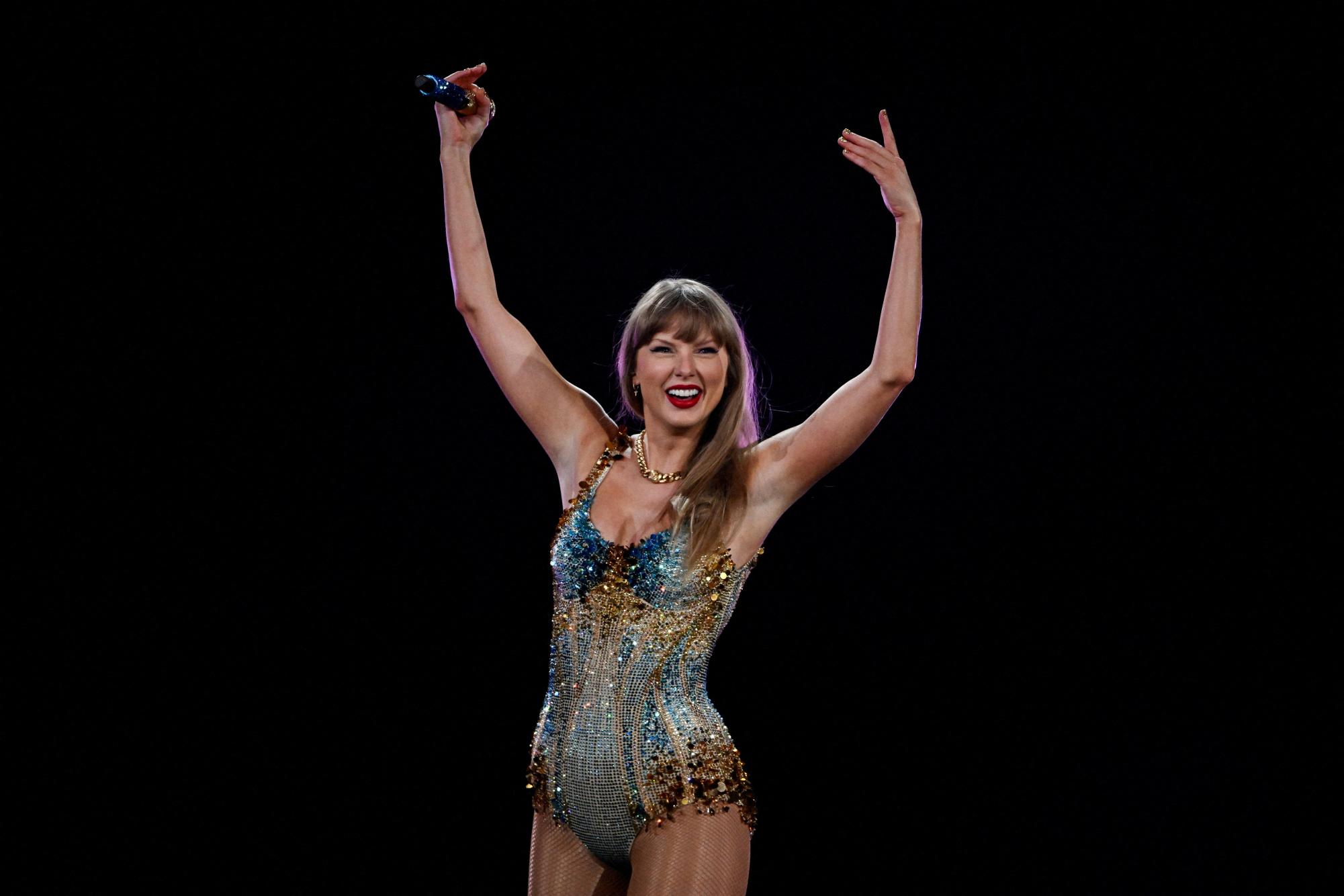
It’s time to face the music: Taylor Swift is 35 years old and at liberty to release uncensored material relating to her own life and experiences, a life which no longer reflects the PG songwriting of her youth.
A significant number of listeners, moreover, have expressed dissatisfaction with the album’s overall lyrical content. Many say that several phrases read as ‘cringy,’ such as the line “I can make deals with the devil because my d***’s bigger” in the song “Father Figure.” This line calls out the toxic masculinity often paraded by executives and male individuals in power, who believe they are entitled to authoritarian control due to gender-based superior thinking.
Unfortunately, these evolutions denote a widening rift between the expectations of broader audiences and Swift’s artistic intentions.
I will acknowledge that while I tremendously value The Life of a Showgirl and commend Taylor Swift’s stylistic choices on the album, I am somewhat on the inside of the issue. I have been a Swift fan for years and have enjoyed every piece of music she has released. I have followed the ups and downs of her reputation and the goings-on in her social and romantic life.
Because of my extensive Swift knowledge, I can follow her metaphorical turns of phrase and the events or people each song revolves around. Talking about the album with friends and acquaintances who could not dissect it like I could led me to one definitive conclusion: Taylor Swift no longer makes music for the masses.
Her songs have become less accessible, communicating specific information and emotion only to those fans who know her best. Long gone are her songs about teenage love, growing up, and finding yourself. So, no, I do not and cannot fault those who dislike the album. How can listeners connect with lyrics not meant to relate to them?
Overall, I love this album, but I will not rush to its defense as I would for other compositions in her discography. Taylor Swift has lost her ability to connect multidimensionally with the world; she now knows only the life of a showgirl, and can’t return.