

























Nowadays, it feels like every new headline features the word “unprecedented,” so much to the point where politically prodigious events are now seen as commonplace or “just another Tuesday.” It especially holds an effect on teenagers, who are still growing up and learning in a world that is rapidly changing. Democratic systems once thought to be set in stone are altered every day, like the powers of an American president and freedom of speech that’s allowed for our country’s citizens. There’s a weight of navigating how to reconcile with that, along with every other struggle of being a teenager in the 21st century. However, where my specific curiosity lies is: how do history teachers incorporate current events into the way they teach their students who are seeing this crazy world for the first time?
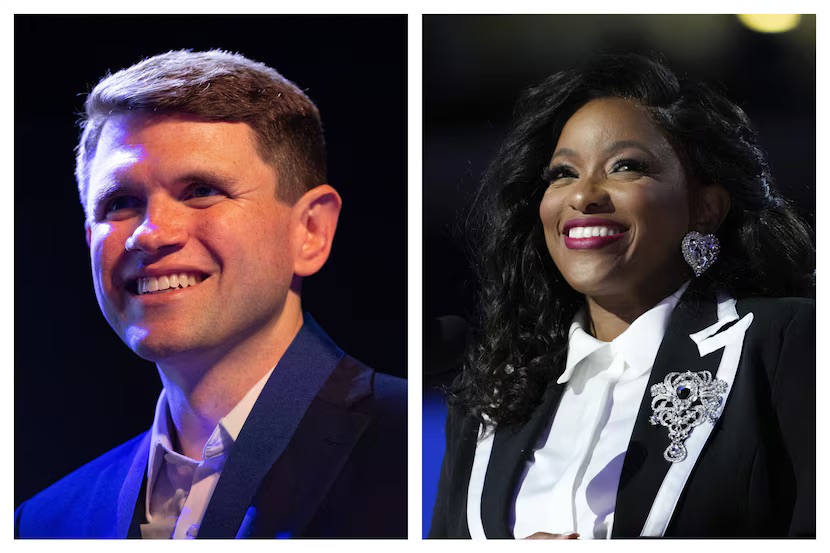
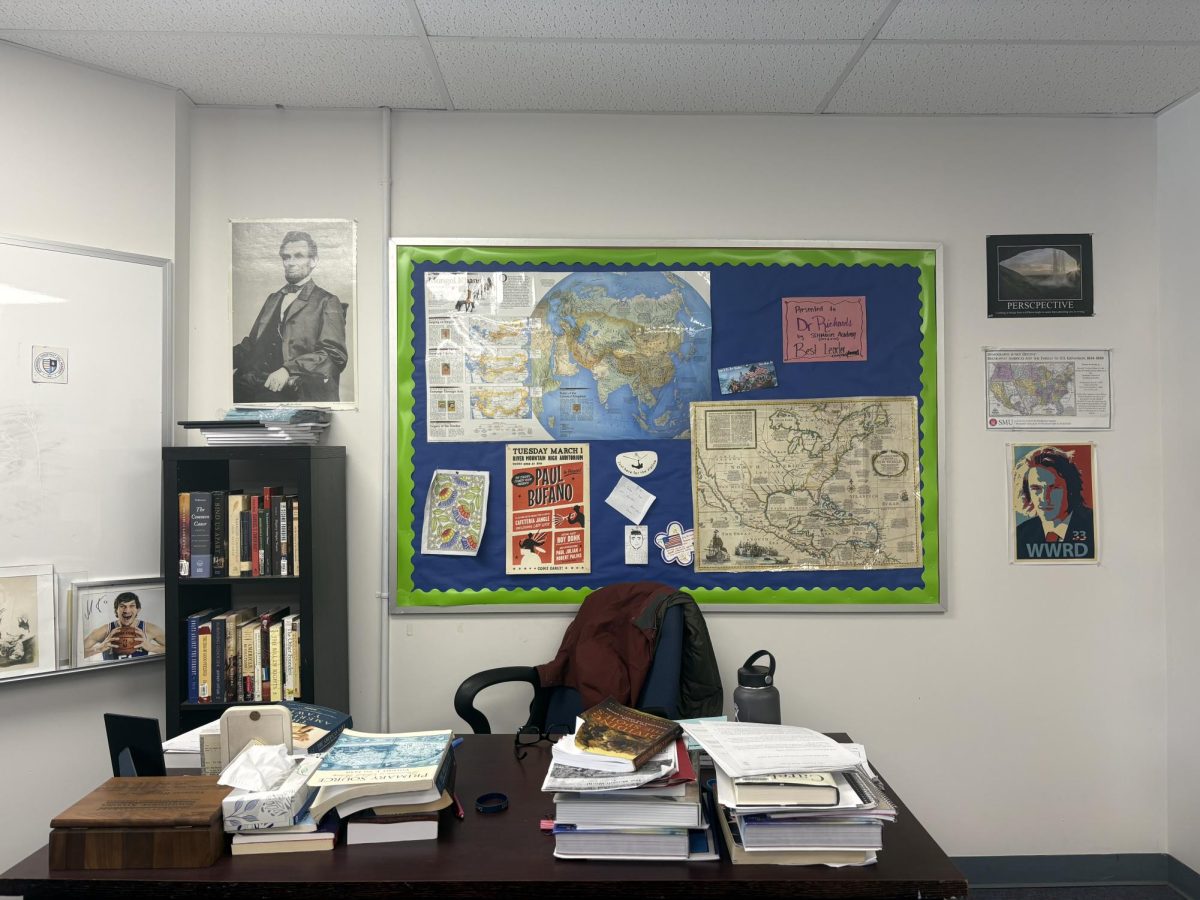
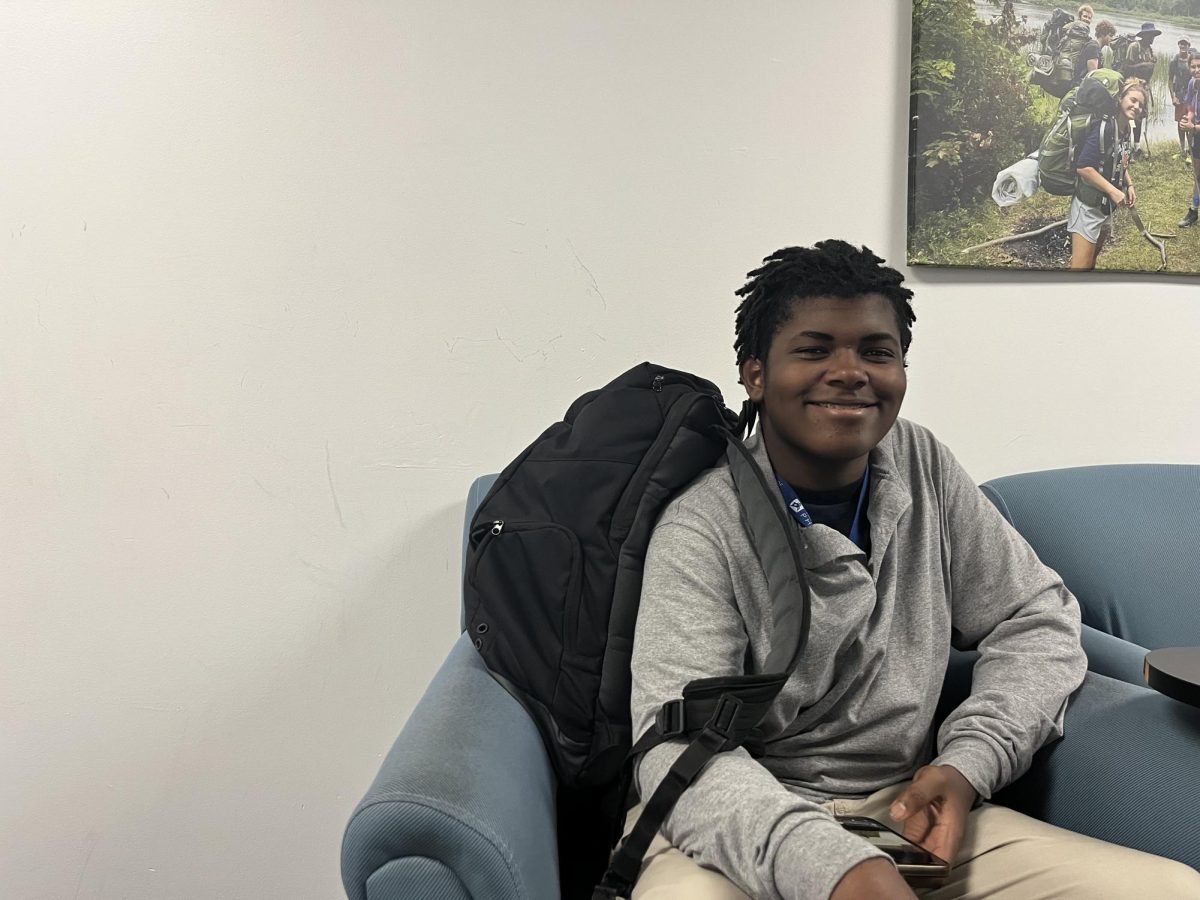
To find my answer, I went to two different teachers in the history department at SCH. The first was Dr. Thomas Richards. Dr. Richards specializes in American history, has multiple published articles in academic journals and is in the process of releasing a book with the New Press. I asked him whether any current events have changed the way he teaches his classes.
Dr. Richards: “I don’t think I’ve modified my curriculum, I think it can change how we look at things. For example…tarrifs used to be kind of this old fashioned thing that historians used to be obsessed with. Now, everyone really cares about tariffs.”
He referred to the Supreme Court’s rulings on whether President Trump can issue high tariffs on other countries. Dr. Richards’s main point was that the importance of certain moments in history fluctuates with the changes that are made everyday. So instead of altering a whole curriculum, he highlights certain parts of our modern world to contextualize what he teaches.
After interviewing him, I went down the hall to see Ms. Sarah Mcdowell. Ms. Mcdowell is the chair of the History Department at SCH, a history teacher, and the faculty head of the Civil Discourse lunch club. In my sophomore year, I was in her Modern World History class, in which she began every lesson by sharing the front pages of different news outlets, from the New York Times to the Washington Post. I asked her why she thought giving these brief overviews of current events was important.
Ms. Mcdowell: “Because it gives students who are interested [in current events] a great chance to ask questions. For students who aren’t that interested, it gives them an ‘in’ on what’s happening in the world in a way that’s not scary.”
I then asked her if she’d ever modified her curriculum based on current events.
Ms. Mcdowell: “All the time. Constantly. I always look at what’s happening in the places that I’m talking about and try to make sure that what I’m teaching connects to the present.”
I found this difference between their answers really interesting. While Dr. Richards uses current events to make more sense of the subjects that he covers, Ms. Mcdowell uses her class as a frame of reference for what’s going on today. Despite their different methods, they both use the past and the present inversely to help their students better understand the world around them and their place in it.
A lot of young people today live in a bubble of the present. We believe we are seeing every global event for the first time, but it’s quite the opposite. Andrew Jackson was infamous for expanding the overreach of the executive branch during his presidency. One of his biggest scandals was his assertion of federal authority in the Nullification Crisis where he threatened to use force to impose tariffs on South Carolina. Today, President Donald Trump is trying to impose tariffs on various countries, leading many to question what the capabilities and limits of a president are. As a history teacher, in this time where everything seems atypical, it is necessary to remind students the importance of looking at the past and the present with the same lens, and that everything happening now is a product or a copy of what happened before. In this unprecedented era, where so many topics come into question, history becomes even more important because it helps us understand and connect what we see to what’s happened before.