














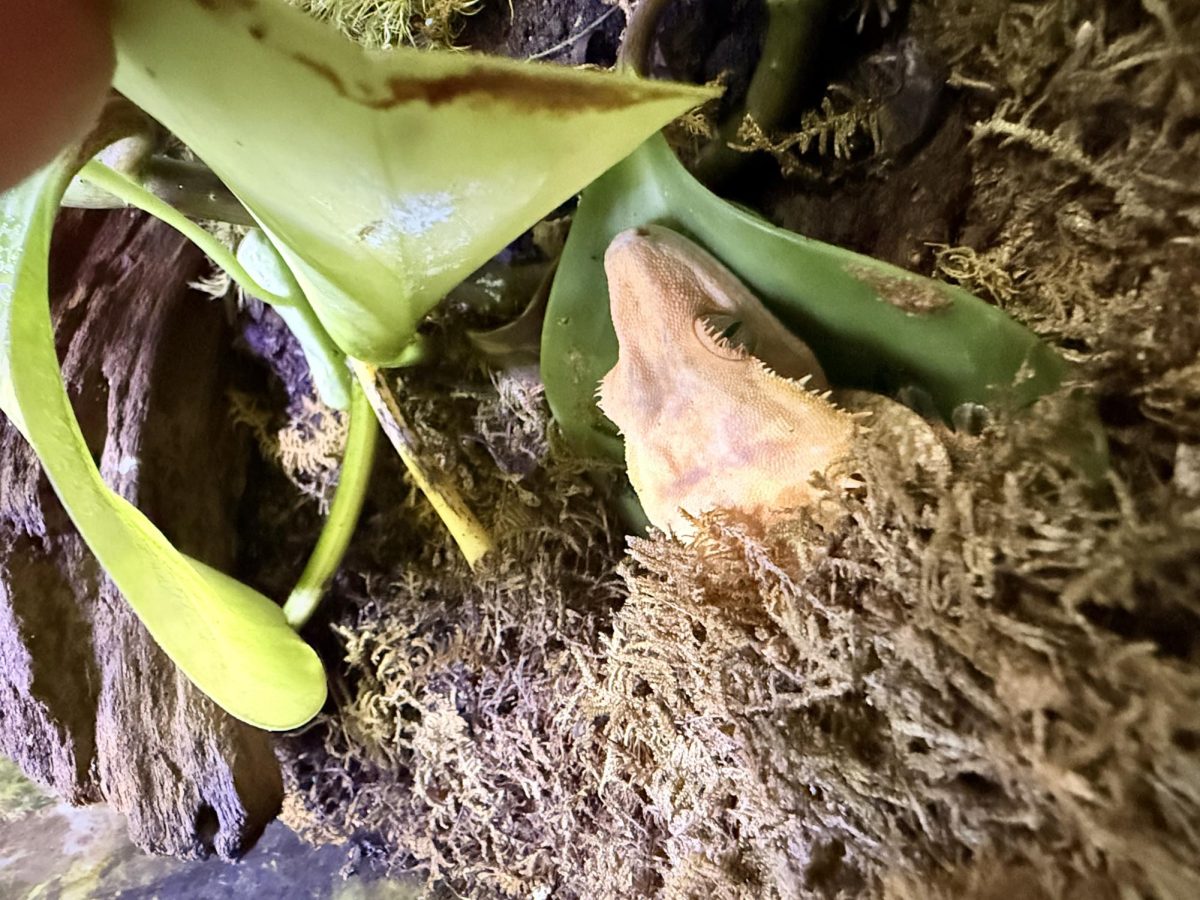




















Squeak, Squeak, comes from Nolan’s door. What could that be? The moth man? Santa Claus? Why, it’s only one of Gibson’s reptilian friends. This crested gecko is housed along with his neighbors of 5 dogs and 4 reptiles.
According to the National Institute of Health (NIH) of News in Health, children benefit from having pets for emotional, developmental, and social needs. It is a way for children to learn empathy, gain skills in caring for animals and build self confidence.
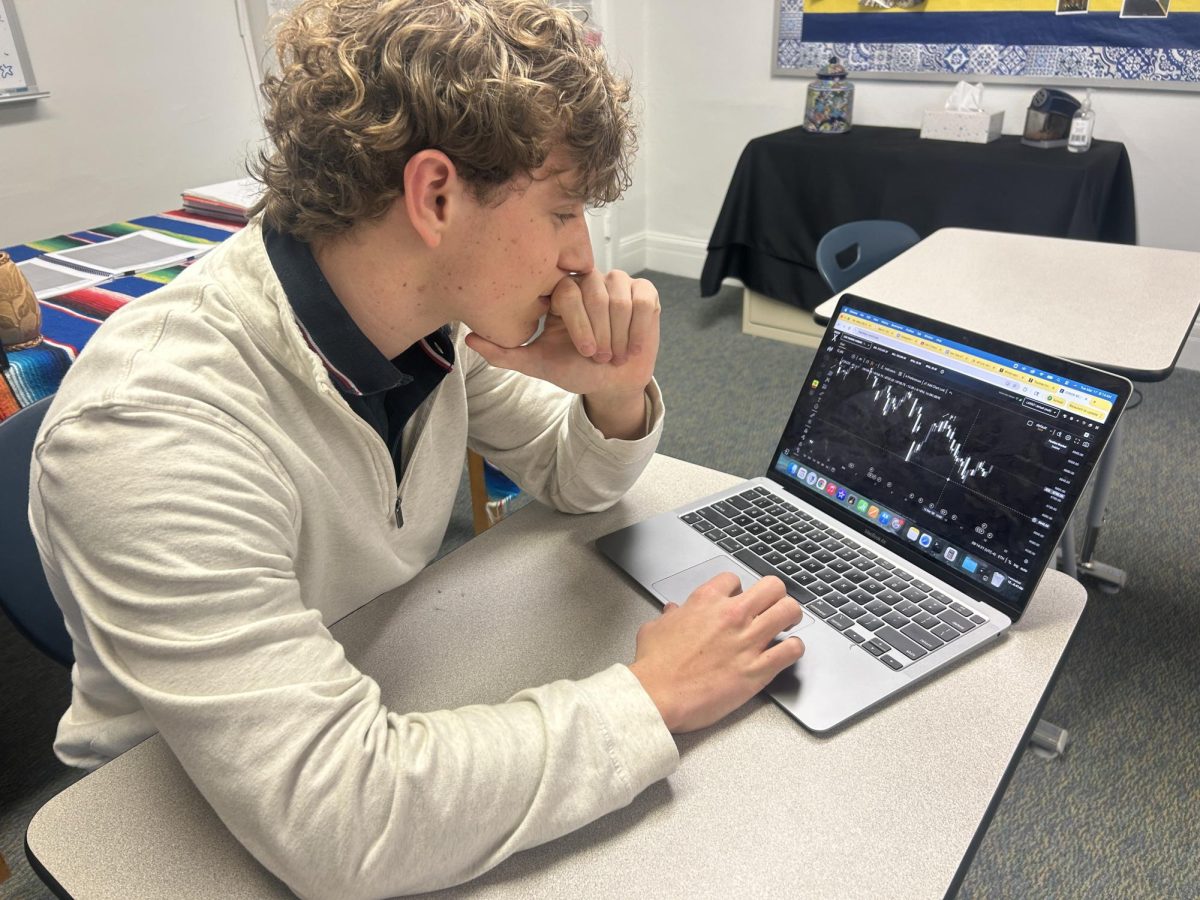
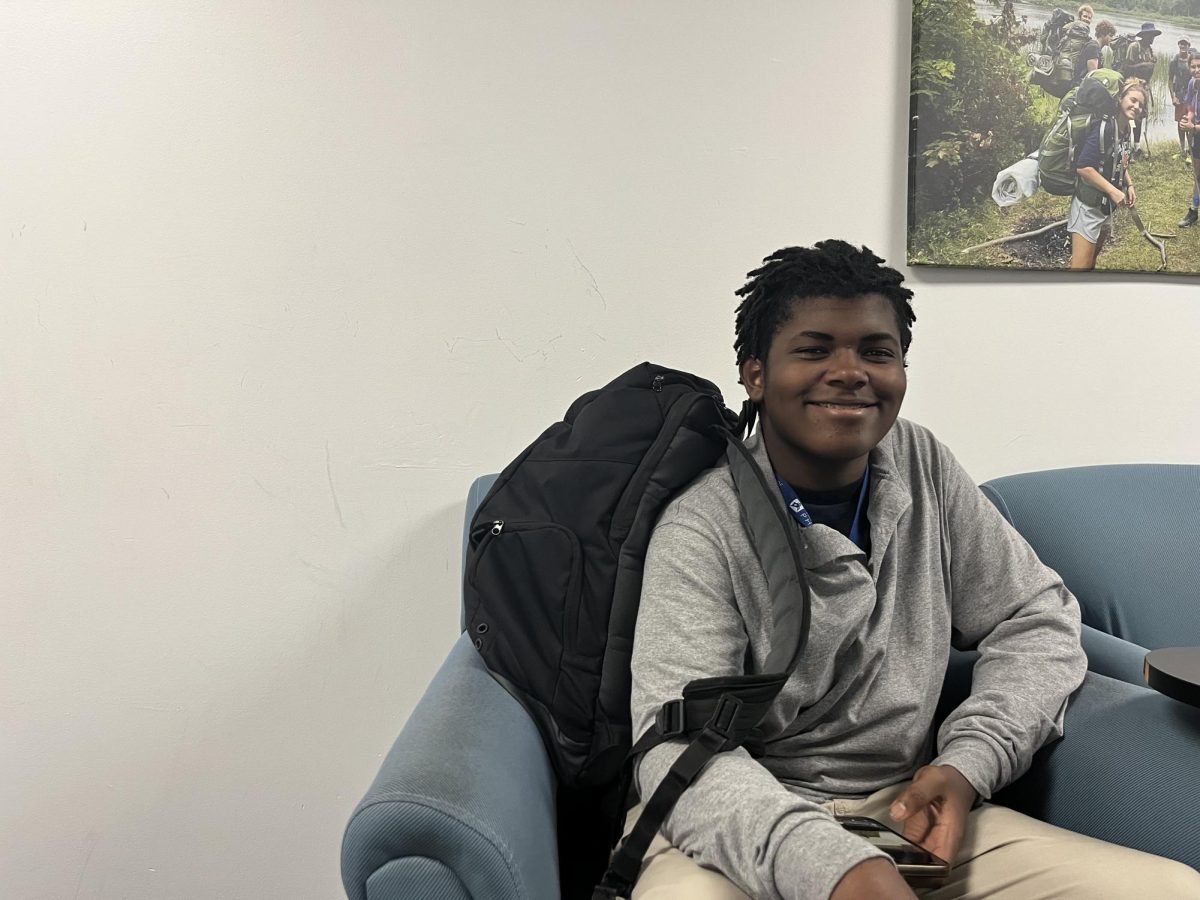
Nolan is a sophomore here at Springside Chestnut Hill Academy. Along with attending school, Nolan also prioritizes his 8 different animal companions at home.
“I have a leopard gecko, a crested gecko, a red slider turtle, five dogs and lots of fish and shrimp….”
Nolan is interested in a career in veterinary medicine. Adopting and caring for many animals across different species gives him a sense of what it would be like in a clinic someday to help other caretakers and their animals. Though how can one determine if a young student such as Gibson is capable of handling this responsibility behind closed doors? Sometimes students can be irresponsible and forget about feeding schedules. Or, in common circumstances, gain disinterest in the animal and risk abandonment.
I had talked to Ms. Queeno, a zoology and biology teacher here at Springside Chestnut Hill Academy. Formerly a veterinarian student, Ms. Queeno takes care of animals with both expertise and a careful hand for reptiles at the school. However, in her temporary absence due to maternity leave, Ms. Queeno had to choose students who could take care of her animals or take them home herself.
“I would only trust my animals with a student that I trust and I know loves animals. I would never just pawn them off to a child that think’s it’s cool to have a pet but doesn’t really understand how much care they need.”
But does student trust equate to high quality care? Not only is it trust but it is also the curiosity of the student in learning about different animals to both empathize with their needs and wants in a stable environment.
“I think their curiosity, the more questions that they ask about that particular animal. I watched them interact with the animal. So Maddie (Madeline Bell 26’) is a great example. She’s incredible. She was always wanting to hang out with the snakes, always asking questions about their care… But I think asking questions and spending time with the animal lets you know that that person cares about that animal beyond ‘I just want to take it home and see what happens’”
For Nolan, he admires the skill set of his crested gecko and the ability of stinking to objects.
“What is your favorite animal?”
“I would probably say my crested gecko because he’s very sticky”
And on the side note, Crested Geckoes have the ability to adhere to different surfaces thanks to their microscopic hairs, thus, making the critter feel sticky and stick to other things. Moving on from such, there are both good and bad ways in taking care of animals. Those who usually take care of animals not for the consideration of the animal itself but because of their physical traits. Ms. Queeno had elaborated on her experiences with families and their animals.
“I think what I see more often is parents of kids coming to me and telling me ‘My kid has a turtle, my kid has a gecko. Do you want this animal? Can I bring you this animal? Please take it because we adopted it and my kid doesn’t care about it anymore.’ and I have to tell them, ‘No, I have so many animals in this room and any animal that requires daily care is just not good for me anymore.’ When I was here more often, it would be feasible to have something like a guinea pig. But now I have a daughter to hang out with. I have to be able to bring the animal home or leave it here and come visit it every one to two weeks… The families get the gecko because they think it’s a cute animal and then they don’t do the research. Other times, the kid in the beginning wants to take care of the animal. They say they will and then it gets boring or it’s too much work so they kind of give up on it.”
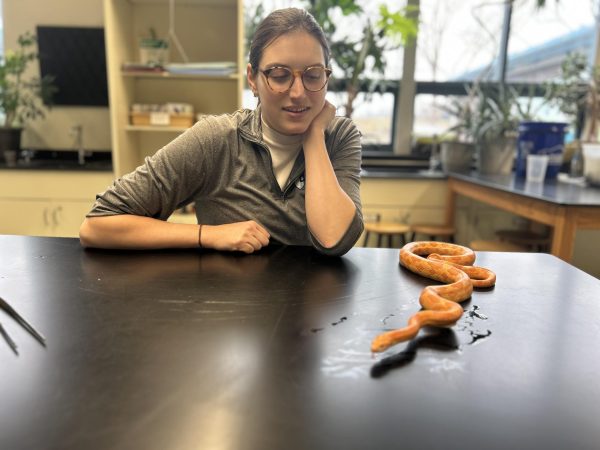
It is similar in that there is a sense of trust that Ms. Queeno sees Gibson when it comes to how he approaches the topic of animals during class. And, of course, Gibson has shared his interest and attention to detail with his animals in care.
“It comes back down to that curiosity, like wanting to learn more, wanting to learn how to take care of the animals, wanting to know about the chemistry behind keeping a fish tank alive. It’s someone like that who has this genuine thirst for learning. Not just getting things right, but really learning stuff is what makes someone a good scientist… Because you’re constantly trying to learn the best practices for that animal. So I think, above all, he’s extremely curious and obviously compassionate too. You know, he wants to be a veterinarian. I think he would make a great veterinarian, because he’s both of those traits, and as a doctor too, of any kind. You need to be up with the current science and best practices to take care of all these different animals. So I know whatever happens with his animals when he goes off to college, I’m sure he’ll try to… smuggle some of them in. I’m sure he will leave them with good people.”
Gibson’s favorite animal would be his crested gecko and the unique ability of sticking to surfaces with his microscopic hairs that help adhere to different surfaces. In terms of enclosure, he enjoys observing his turtle in a big space dedicated to the critter.
“She(the red slider turtle) has a 120 gallon tank, which is six feet long, and she has, like, probably hundreds of guppies in there. We thought she would eat them, but she does not, so it’s like an ecosystem in her tank.”
All in all, kids can choose to take care of animals for developing important skills in responsibility but it is also up to the student to decide how attentive they will be for whatever animal they wish to take care of. As for Nolan, he hopes his animals will be fostered by trusting caretakers before he leaves for college.