












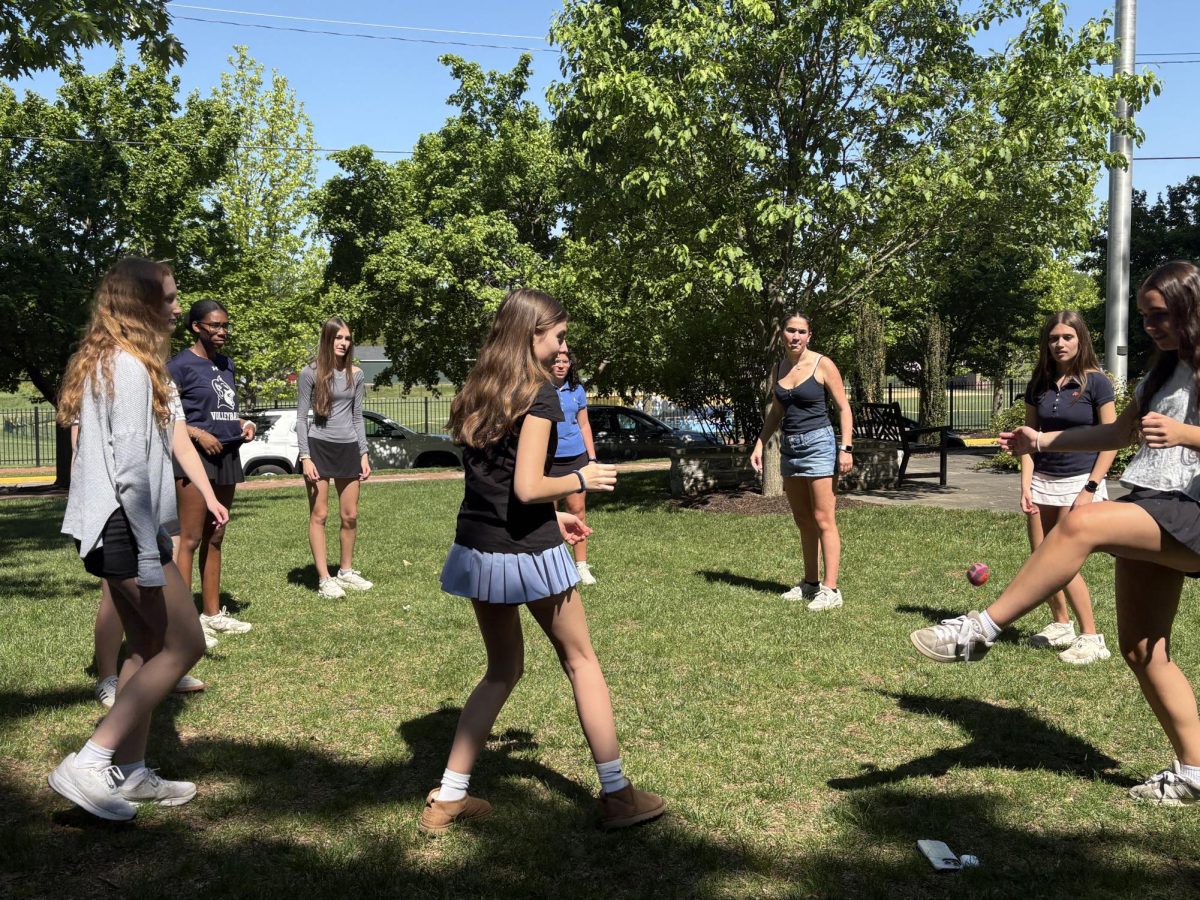






































Over the years, Springside Chestnut Hill Academy has experienced changes in dress code practices. When I first arrived in seventh grade, the expectations were stricter: students were required to wear quarter-zips or collared shirts, and sweatshirts were not permitted during the school week. Today, students wear a wider range of clothing, including sweatshirts, t-shirts, and sweatpants, while blazers and ties are less common. These shifts in dress code raise questions not only about enforcement but also about how students of different ages and developmental stages interpret and respond to school expectations. There is value in maintaining a more formal dress code, as it can foster a professional, academic atmosphere and encourage responsibility.
A clear and consistent dress code helps students understand the importance of following rules and participating in a community with shared expectations. Broad dress code options can create confusion for both students and faculty, so simplifying the choices could make expectations clearer and more consistent.
Even in high school, students respond to the “message” their clothing sends. Research conducted at SCH in the 1990s studied students across all divisions, including Middle School, and found that clothing strongly influences how students think and behave. For younger students, clothing serves as a clear situational cue. For example, wearing a uniform for sports or a jacket and tie for a concert signals the expected activity and mindset. Upper School students are more independent, but the study suggests that attire still affects focus, engagement, and professionalism.
When Upper School students follow the dress code, they are more likely to mentally prepare for learning, participate responsibly, and engage with the community. In this way, the Middle School findings help explain why a consistent, developmentally appropriate dress code remains important in Upper School.
Research from The Teen Magazine indicates that casual clothing can influence teenagers’ behavior and mindset. Wearing informal or overly relaxed clothing can make students feel more comfortable and less academically focused, potentially reducing engagement in class. Together with the SCH study, this research suggests that dress codes play a meaningful role in helping students stay attentive, responsible, and connected to school expectations.
Roland Woehr, a retired teacher with 40 years of experience at SCH, taught at Chestnut Hill Academy and witnessed how the dress code evolved. He emphasizes that the dress code is not simply about clothing, but about cultivating a sense of responsibility and engagement within the school community. Woehr explained, “Since you don’t get to arrive looking however you like, you prepare yourself to understand that you also don’t get to turn in your English paper when you want, or make up your Chemistry test only when you feel ready. You determine none of that. The school does, just like the Dress Code.” Woehr suggested that the more say the students have in what they wear to school, the more say they think they have on other rules at school, which could negatively impact mutual respect between faculty and students.
Ultimately, dress code is part of a larger conversation about school culture and shared values. It is less about fabric, style, or comfort, and more about sending a “message of intent” demonstrating respect for oneself, for others, and for the community. When students and faculty dress according to expectations, they signal that they are participating fully in a community where rules and responsibilities are valued.
As a member of the SCH community, I see that this issue goes beyond clothing. Strengthening the dress code, simplifying its expectations, and ensuring consistent enforcement could help cultivate a sense of responsibility, professionalism, and respect throughout the community. By focusing on policy and practice, SCH can continue to uphold standards that help students learn, grow, and thrive.


Jerry Liguori | May 13, 2026 at 6:02 am
A very well researched and written article. It’s suggested logic for a more effective dress code policy has merits. More importantly the reflects very positively on the effects of the education process at SCH in the development of young men and women.